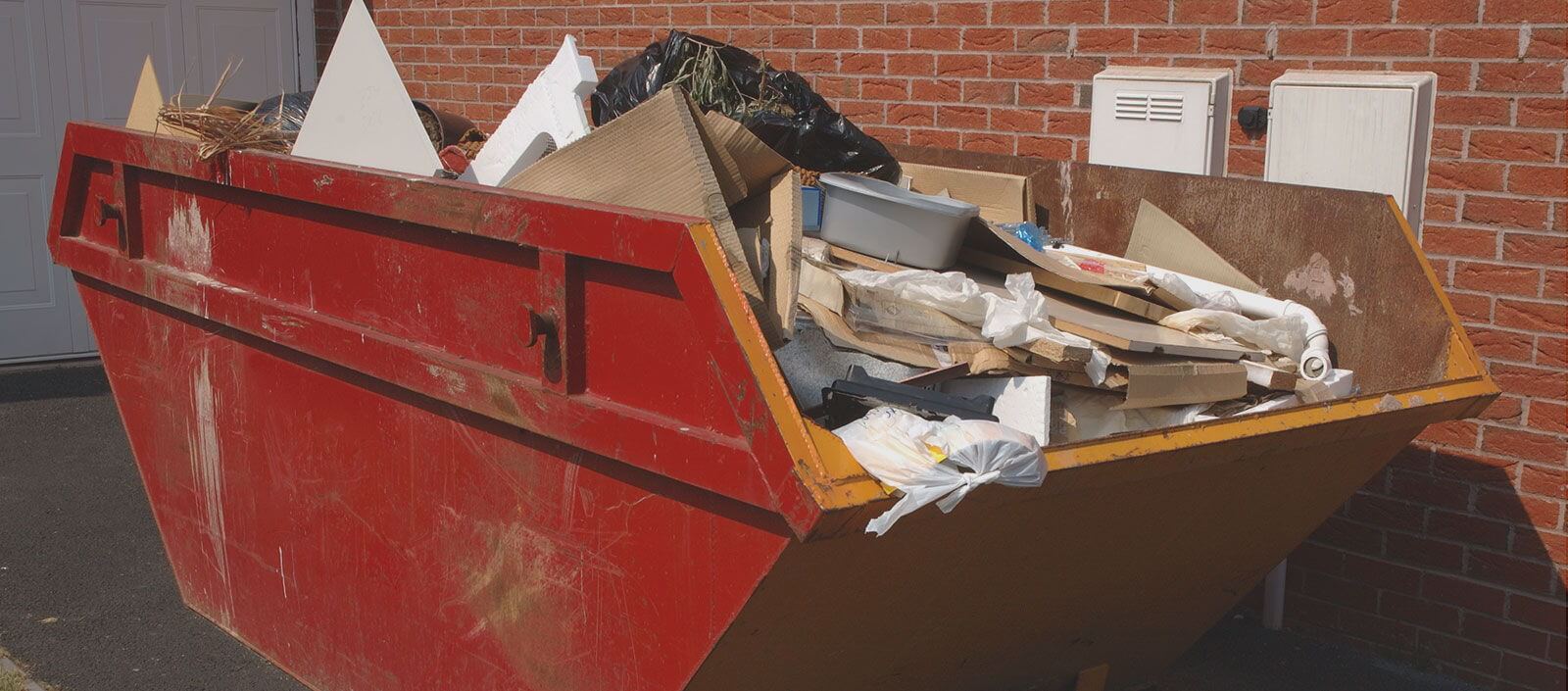
Access issues for waste removal Kingston narrow streets tips
Posted on 26/06/2026
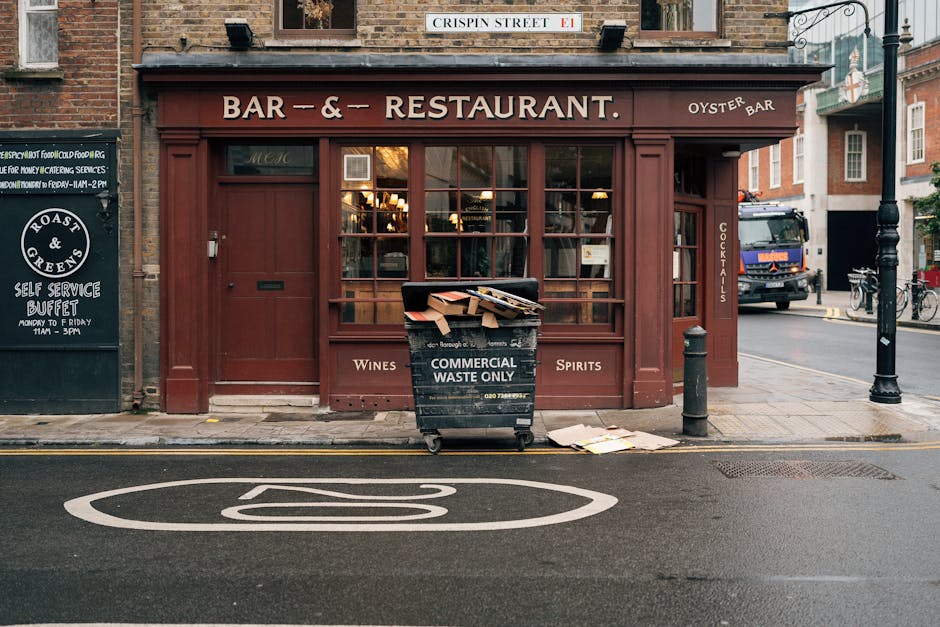
If you have ever tried to organise a rubbish clearance in a tight Kingston street, you will know the feeling: bins already out, cars parked too close, a van that looks a touch too wide for comfort, and one awkward turn that suddenly seems to matter a lot. That is exactly why Access issues for waste removal Kingston narrow streets tips matter. The right plan can save time, reduce stress, and stop a straightforward collection turning into a messy back-and-forth with the team on the day.
This guide walks through the practical realities of narrow roads, limited parking, awkward entries, terraced properties, mews-style layouts, and the little things that make access easier or harder. It is written for homeowners, landlords, tenants, businesses, and anyone arranging waste removal in Kingston where space is at a premium. Let's face it, in some streets the hard part is not lifting the rubbish. It is getting near it.
Why access issues for waste removal Kingston narrow streets tips matters
Access sounds like a small detail until it becomes the detail that holds everything up. In Kingston, narrow residential roads, busy high streets, terraces with no front drive, and shared access lanes can all change how waste is collected. A crew may have the right vehicle, the right labour, and the right plan for the load, but if the street is too tight or parking blocks the route, the job can become slower, more expensive, or impossible to complete in one visit.
That matters for a few reasons. First, time. Waste teams often work to tight schedules, especially for same-day clearances or multiple stops. Second, safety. Pushing heavy items through tight access can increase the chance of knocks, slips, or property damage. Third, cost control. If access is not clear, the job may need extra handling, a smaller vehicle, a second visit, or more labour than expected. Nobody likes surprise costs, particularly when they could have been reduced with a ten-minute check before booking.
If you want a broader picture of how services are structured and what to expect across different job types, it can help to read the site's services overview alongside this guide. That gives useful context for domestic, commercial, and specialist clearances.
There is also a local angle here. Kingston has a mix of older housing stock, mixed-use streets, riverside apartments, and busy retail areas. That means access can vary from one postcode to the next, sometimes even from one side of a street to the other. In other words: the map matters, but the pavement matters too.
How access issues for waste removal Kingston narrow streets tips works
The process is usually simpler than people expect, but only if the access is assessed properly before the team arrives. A good waste removal plan starts with the property layout, the street width, any parking restrictions, and the size and type of waste involved. From there, the crew decides whether they can get close to the load, whether they will need to park further away, and how many staff or trips may be needed.
In practical terms, the job usually breaks into three stages:
- Access review - checking the street, entrance, alley, staircase, lift, yard, or rear lane.
- Collection planning - deciding the vehicle, parking approach, crew size, and lifting method.
- On-site removal - moving waste safely to the vehicle, loading it, and confirming the area is left tidy.
For example, a flat on a narrow Kingston side street may be easy enough if items can be carried directly to the kerb. But if a sofa has to be turned through a tight hallway, down stairs, and around parked cars, that is a very different job. The same goes for builders' waste from a renovation where bags are stacked in a rear garden that can only be reached through a shared passage. It is not just about the rubbish. It is about the route.
Sometimes the best next step is to match the job to the right service. If you are clearing household items, domestic waste collection in Kingston may fit neatly. For heavier or bulkier items, furniture removal in Kingston upon Thames can be more suitable. If the load is a bit more varied, rubbish collection in Kingston upon Thames is often the most flexible option.
Key benefits and practical advantages
When access is handled well, the whole experience becomes easier. That sounds obvious, but the knock-on effects are real.
- Fewer delays: the crew can get in, load up, and leave without circling the block looking for a plan B.
- Lower risk of damage: narrow halls, low walls, and awkward corners are less likely to suffer scrapes or dents.
- More accurate quoting: clear access details mean the price is more likely to reflect the real job.
- Better timing: the collection can be scheduled around parking pressure, school runs, deliveries, or peak foot traffic.
- Cleaner finish: when the route is planned, the team can focus on removing waste neatly rather than improvising under pressure.
For homeowners, that often means less disruption on the day. For businesses, it can mean not blocking a customer entrance or getting in the way of service hours. And for landlords or agents, it can mean smoother turnarounds between tenancies. Truth be told, access planning is one of those unglamorous details that makes the whole job look effortless when it has actually taken proper thought.
There is also a cost angle worth mentioning. If you want to avoid being caught out by extra handling or access-related surcharges, it is sensible to review guidance on avoiding hidden rubbish removal charges in Kingston before you book. Small details, big difference.
Who this is for and when it makes sense
This topic is relevant to a wider group than many people think. Narrow street access affects all sorts of clearances, not just one-off domestic jobs.
- Homeowners clearing lofts, sheds, garages, or old furniture in terraced streets.
- Tenants moving out and leaving behind bulky or awkward items.
- Landlords and letting agents who need fast turnaround between occupants.
- Shop owners and office managers with limited frontage or rear access.
- Builders and trades working on properties with tight access for rubble, timber, or mixed site waste.
- Families downsizing where larger items need careful handling through hallways and stairwells.
It makes sense whenever access is not straightforward. That includes narrow roads, no off-street parking, resident-only bays, dead-end lanes, shared driveways, basement flats, top-floor walk-ups, and any property where the waste can't simply be loaded from a driveway.
If your property is in or around the town centre, planning can be even more important. For fast turnarounds, a local same-day option may help, and this article on same-day rubbish removal in Kingston town centre gives a good sense of what urgency changes in practice.
Step-by-step guidance
If you want the day to run smoothly, treat access as part of the booking, not an afterthought. Here is a simple process that works well in real life.
-
Measure the tight spots.
Check the narrowest part of the route, not just the front door. Hallways, stair turns, garden gates, side passages, and external steps often decide whether a large item can be removed in one piece.
-
Think about parking honestly.
Can a van stop close enough to load safely? If not, how far will items need to be carried? A few extra metres might sound harmless, but over a full clearance it adds up quickly.
-
Photograph the route.
A couple of quick photos of the entrance, stairwell, alley, and parking position can save a lot of guesswork. This is especially useful for larger jobs or mixed loads.
-
Separate bulky items from loose waste.
Big items like beds, wardrobes, or appliances can be planned for first. Loose rubbish is easier to bag and stack. Mixing everything together can create avoidable handling problems.
-
Check for restrictions.
Resident bays, loading windows, time-limited access, low bridges, bollards, and shared entrances all matter. Missing one of these can wreck a tidy plan in seconds.
-
Tell the team about awkward items.
Heavy white goods, broken furniture, sharp materials, or damp garden waste need different handling. Better to say it early than to spring it on the crew at the kerb.
-
Clear a path before collection.
Move small obstructions, unlock side gates, and keep pets or children out of the route. It sounds basic, but a clear path often saves the most time of all.
A quick reality check: if the route feels tight when you are alone, it will feel tighter when two people are carrying a sofa and trying not to knock the wall. That is usually when careful planning pays for itself.
Expert tips for better results
Here are the sorts of things that make a noticeable difference, especially in Kingston's narrower streets and older housing areas.
1) Book for quieter times where possible
Early mornings or mid-morning slots can be easier in streets where parking pressure builds later in the day. Fewer cars on the road means more room to manoeuvre, and that alone can reduce stress.
2) Be precise about collection point
"Front of house" is not always enough. Say whether the waste is at the front door, behind the gate, in a rear yard, up two flights of stairs, or in a basement storage space. Precision helps the crew arrive prepared.
3) Use stackable staging
If safe and sensible, stage the waste in a neat, accessible place before collection. Keep heavier objects at the bottom and leave enough room to walk around them. No chaos piles, please. Those become trip hazards in tight spaces.
4) Separate fragile surfaces
When you have painted banisters, tiled hallways, or polished floors, protect them before moving items through. A folded blanket or temporary floor cover can make a difference, especially where the route is awkward.
5) Clarify if a smaller vehicle might help
Sometimes the best answer is not a bigger truck but a more compact vehicle and a slightly different loading plan. That can be particularly useful in lanes where access is too tight for standard parking.
6) Plan around local street life
Near shops, schools, cafes, and the town centre, foot traffic and delivery movements can affect timing. In a place like Kingston, the street may look open at 7.30am and feel busy by 10.00am. Small window, big difference.
For trade and contractor work, it may also help to compare your job with local waste streams. A site clearance on a tight access road is usually handled differently from a household clean-up. If that sounds like your situation, the dedicated builders' waste disposal page can be useful background.

Common mistakes to avoid
Most access problems are predictable. The trouble is, people only notice them once the van has already arrived. A few common mistakes come up again and again.
- Guessing the access is fine. It might look fine from the road, but the hallway or rear path may say otherwise.
- Forgetting parked cars. A street that is technically wide enough can still be unusable if vehicles are lined up tightly on both sides.
- Not mentioning stairs. A lot of difficulty comes from vertical movement, not the street itself.
- Leaving everything to the last minute. If a route needs clearing or keys need arranging, do it before the crew arrives.
- Underestimating bulky items. A wardrobe that looks manageable in the living room can become awkward the moment it meets a narrow landing.
- Ignoring weather. Wet pavements, slippery steps, and rain-soaked cardboard can slow everything down. Simple, but true.
One small but costly habit is giving only a verbal description of the access and assuming that will be enough. A photo or two is often much better. It is not about being fussy. It is about avoiding a second guess on the day.
Tools, resources and recommendations
You do not need specialist equipment for every job, but a few simple tools and habits can make access much easier.
- Measuring tape: useful for checking door widths, stair turns, and gate gaps.
- Phone camera: photos of the street, parking position, and route are incredibly useful.
- Gloves and sturdy shoes: sensible if you are moving smaller items yourself before collection.
- Temporary floor protection: helpful for tight internal routes and older properties.
- Stacking bags or boxes: keeps loose waste manageable and safer to carry.
- Simple sign or note for neighbours: if a shared entrance or driveway will be used, a friendly heads-up helps a lot.
When selecting a service, look for clear communication, proper waste handling, and a sensible approach to awkward access. If a company is happy to talk through the route before the job, that is usually a good sign. You can also check the provider's waste carrier licence and compliance information if you want reassurance about standards and responsibility.
For practical trust signals, it is also reasonable to review their insurance and safety guidance, especially if you are moving large items through narrow communal areas.
Law, compliance, standards, or best practice
For access-heavy waste removal, the legal and best-practice side matters more than people sometimes expect. You do not need to memorise regulations, but you do need to avoid careless handling and illegal disposal. In the UK, a responsible waste carrier should handle waste correctly, transport it lawfully, and leave the property in a safe condition. That is basic professionalism, not a bonus.
For property owners and occupiers, the main points are straightforward:
- Do not place waste where it creates a hazard for pedestrians, neighbours, or vehicles.
- Make sure access routes are as clear as reasonably possible before removal begins.
- Share accurate information about the property layout, especially where lifting or carrying will be involved.
- Use a company that follows proper waste handling and disposal practices.
There may also be practical building and management rules in shared blocks, estates, or commercial premises. In those cases, best practice is to check access windows, lift use, loading areas, and any site-specific rules before arranging collection. If you are handling commercial waste, this becomes even more important because time windows and customer flow can be sensitive.
For readers who want to understand what responsible waste handling looks like in broader terms, the site's recycling and sustainability guidance is a useful companion. And if you prefer to understand the business side, the terms and conditions and privacy policy pages are there for review too.
Options, methods, or comparison table
Different access challenges call for different approaches. There is no one-size-fits-all answer, and that is fine.
| Method | Best for | Pros | Watch-outs |
|---|---|---|---|
| Kerbside collection | Waste already placed close to the road | Fast, simple, usually efficient | Needs good parking access and clear loading space |
| Carry-out from property | Bulky items inside homes, flats, or offices | Convenient for the customer | Can be slower in narrow hallways or stairwells |
| Rear-access collection | Properties with alleyways, shared yards, or garden access | Can avoid front-street congestion | Passage width, gates, and surface conditions matter |
| Smaller vehicle strategy | Tight roads and awkward manoeuvring space | More flexible in narrow streets | May require extra sorting or more than one load |
| Pre-staged collection | Jobs where the customer can prepare in advance | Reduces handling time on the day | Needs good planning and safe stacking |
If you are dealing with household items rather than mixed rubble or trade waste, it may be worth comparing the likely job type against dedicated services such as furniture disposal, white goods and appliance disposal, or house clearance. Each one can suit a different sort of access challenge.
Case study or real-world example
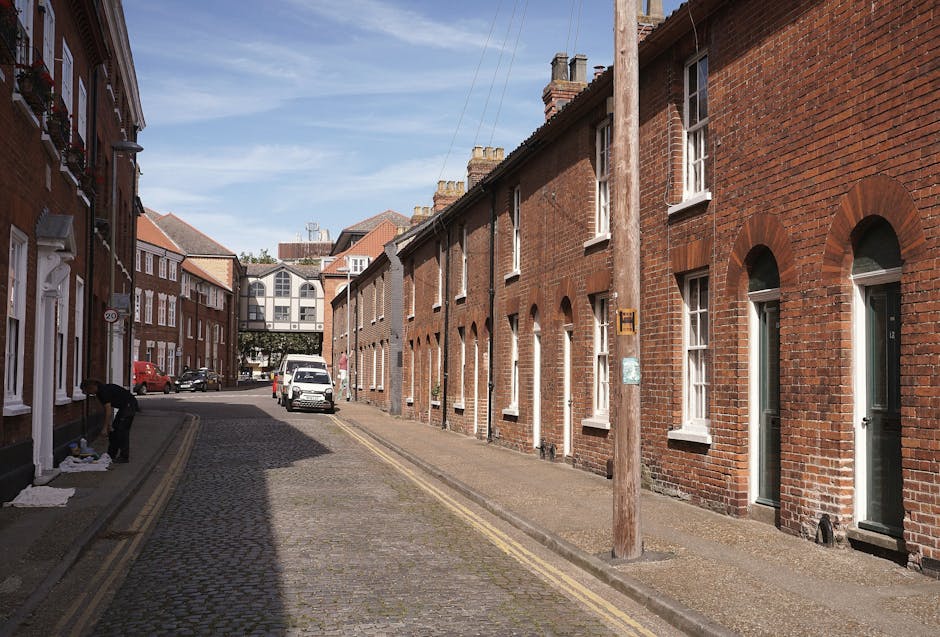
Imagine a small terraced property in Kingston with a narrow front path, no driveway, and a sofa, a broken chest of drawers, and a stack of mixed bags ready for removal. At first glance, it sounds simple. But the hallway is tight, the staircase has a bend halfway up, and parking on the street is usually limited by resident cars.
In that situation, the best approach is to prepare early. The customer sends photos of the front entrance, hallway, and street. The crew checks whether a van can stop safely nearby and whether the sofa can be removed without turning it sideways in a way that risks scuffing the wall. The customer clears the hallway, opens the gate, and leaves the items in one accessible area rather than scattered between rooms.
The result? The job is completed with less delay, fewer awkward moves, and a much calmer finish. Nothing dramatic. Just good planning, really. And in a street where every metre counts, that planning is the difference between a smooth clearance and a very tired morning.
We see the same pattern in shop and office settings too. A small business might have waste at the rear, but delivery vans, customer flow, or shared access can make the rear route harder than the front. That is why it helps to understand local commercial access in context, especially if you are comparing it with commercial rubbish collection for shops in Kingston.
Practical checklist
Use this before your booking or collection day. It keeps things tidy, and tidy is good.
- Have I checked the narrowest part of the route?
- Do I know where the vehicle can stop or park?
- Have I mentioned stairs, gates, shared entrances, or rear access?
- Are large items separate from loose rubbish?
- Have I told the company about any heavy, fragile, or awkward items?
- Is the pathway clear of bikes, bins, prams, tools, and clutter?
- Do I need to warn neighbours or building management?
- Have I sent photos if the access is tight or unusual?
- Is there a realistic plan for wet weather or restricted parking?
- Do I know which collection method is most suitable for the property?
If you can tick most of those boxes, the job is usually in good shape. If not, it is worth pausing for a minute and sorting the access details first. That minute may save you an hour later.
Get a free quote today and see how much you can save.
Conclusion
Narrow streets do not have to mean difficult waste removal. They just demand better preparation, clearer communication, and a more realistic plan for the route, the parking, and the items being removed. Once you treat access as part of the job, not a side note, everything gets easier. Fewer delays. Less stress. Better value. And usually a better outcome for everyone involved.
For Kingston properties, that extra bit of planning is often the difference between a rushed removal and a tidy, efficient clearance that fits the street rather than fighting it. Simple idea, but it works.
If you are at the stage of comparing options, start with the access details, then choose the service that fits the property and the waste type. It is a calmer way to do things, and to be fair, calmer is underrated.