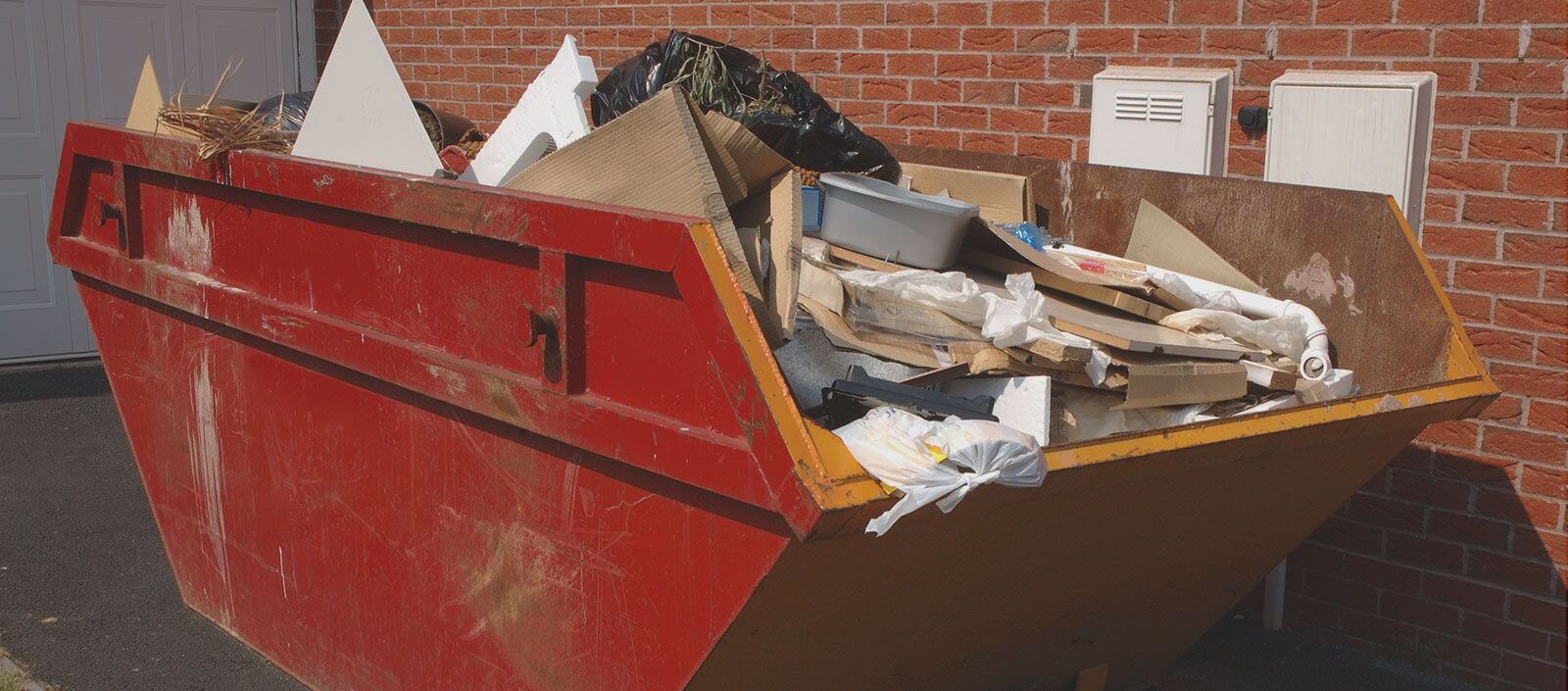
Compare skip hire and rubbish removal Kingston cost guide
Posted on 21/10/2026

If you are trying to clear a loft, empty a garden, or deal with a bigger renovation mess, the choice usually comes down to two familiar options: skip hire or rubbish removal. At first glance they can look similar. In practice, though, the costs, convenience, access needs, and level of effort are quite different. This Compare skip hire and rubbish removal Kingston cost guide breaks it all down in plain English so you can make a sensible choice without paying for more than you need.
Kingston jobs can be awkward. Narrow streets, parking pressure, busy frontages, and a mix of flats, terraces, and family homes all change the equation. So instead of treating waste clearance like a one-size-fits-all decision, it helps to compare the real-world trade-offs. Which option is cheaper? Which is quicker? Which works better if you live on a tight street or need everything gone in one visit? Let's get into it.
Why Compare skip hire and rubbish removal Kingston cost guide Matters
The main reason this comparison matters is simple: waste costs are rarely just about the headline price. With skip hire, you may be paying for the container size, the hire period, and sometimes a permit if it has to sit on a public road. With rubbish removal, you are typically paying for labour, transport, lifting, sorting, and disposal. Same end goal. Very different cost shape.
In Kingston, that distinction is especially important because access can affect the final bill and the practicality of the job. A skip might be ideal on a driveway or a spacious property, but less convenient if there is nowhere to place it safely. A rubbish removal team, on the other hand, can often carry items out from the property, which is a huge help if you have bulky furniture, awkward access, or you simply do not want to spend your weekend loading sacks by hand. Who really wants that, honestly?
There is also the risk of underestimating the true cost of the job. A cheap skip can become less attractive once you factor in a permit, overfilling risks, or the time required to load it. Likewise, a seemingly pricier rubbish removal quote can turn out to be better value if it includes labour, faster turnaround, and no need for you to lift a finger. The trick is to compare like with like.
Expert takeaway: the cheapest option on paper is not always the cheapest in practice. In Kingston, access, parking, lifting effort, and disposal speed often decide the real winner.
How Compare skip hire and rubbish removal Kingston cost guide Works
To compare the two properly, think in terms of process. Skip hire is a drop-off-and-fill model. A skip is delivered, placed on your property or roadside, and collected later. You sort and load the waste yourself. Rubbish removal is a collection service. The team arrives, removes the waste for you, loads it, and takes it away.
That process difference changes the economics. A skip can be cost-effective if you have time, space, and enough waste to justify it. It tends to work well for ongoing projects, such as a bathroom refurb, a garden overhaul, or a clear-out that happens over several days. Rubbish removal is usually better when you want speed, convenience, or help with heavy lifting. Think sofas, appliances, builders' bags, or a full house clearance where stairs are involved.
For Kingston homeowners and landlords, the access question often decides it. A skip outside a property in a tight residential street may be less practical than a same-day collection arranged for a morning slot. If parking is awkward, rubbish removal can spare you the headache of finding a safe spot for a container. On the other hand, if you have a driveway and a pile of waste growing each day, a skip may be the cleaner, steadier option.
If you want a broader view of the service landscape, it can help to look at a provider's wider offer such as services overview and compare that with the specific job you actually need done. A lot of people start by thinking they need a skip, then realise a targeted collection service is more sensible. Happens all the time.
Key Benefits and Practical Advantages
Both options solve the same problem, but they solve it in different ways. Here is where each one tends to shine.
Skip hire advantages
- Good for phased clear-outs: If you are clearing a loft or renovating room by room, a skip lets you add waste gradually.
- Useful on private land: Driveways and private forecourts are often the simplest setup.
- Can suit heavier project waste: Bricks, rubble, soil, tiles, and similar materials are often easier to manage in a skip, subject to the provider's rules.
- Less time-sensitive: You can load it at your own pace, which is helpful during messy projects.
Rubbish removal advantages
- No lifting or loading pressure: The team does the hard work, which matters more than people expect.
- Fast turnaround: Great when you need waste gone quickly, perhaps before a move or an inspection.
- Better for awkward access: Narrow stairwells, upper floors, and busy streets are often easier to manage this way.
- More flexible for mixed loads: Furniture, appliances, general household junk, and garden waste can often be cleared in one go.
There is a quieter advantage too: peace of mind. If you have ever watched a pile of old wardrobes and broken shelves slowly take over a room, you will know what I mean. The faster option often wins simply because it clears mental clutter as well as physical clutter.
Who This Is For and When It Makes Sense
This comparison is useful for homeowners, tenants, landlords, tradespeople, letting agents, and small businesses in Kingston. The right answer depends on the scale of the waste, the type of waste, the available space, and how much time you have.
Skip hire usually makes sense if you:
- Have enough space for a skip on your drive or private land
- Are dealing with a project that generates waste over several days or weeks
- Want to sort waste as you go
- Are clearing heavier or bulkier project debris and want a fixed container on site
Rubbish removal usually makes sense if you:
- Need the waste collected quickly
- Do not want to load anything yourself
- Have bulky items upstairs or difficult access
- Need a one-off clearance and want the area tidied the same day
For example, a family emptying a spare room after a long-overdue clear-out may prefer rubbish removal because the job is all about speed and heavy lifting. A builder doing a small renovation over a few weekends may find a skip more economical. There is no universal winner. That is the honest answer, and it is probably not the one most people hope for.
Step-by-Step Guidance
If you want to compare costs properly, follow a simple process. It keeps the decision grounded in the real job rather than a rough guess.
- List the waste type. Is it general household junk, garden cuttings, furniture, rubble, or a mix? The type matters because some loads are easier and cheaper to handle than others.
- Estimate the volume. Try not to eyeball it too casually. A few bin bags can become a van-full quicker than you think. Use room size, furniture count, or bag count as a guide.
- Check access. Measure gate widths, stair turns, parking access, and whether there is safe space for a skip. In Kingston, access can change the job more than people realise.
- Decide how fast it needs to happen. If you need it gone today or tomorrow, rubbish removal often wins. If you have a week-long project, skip hire may suit better.
- Compare total cost, not just the base price. Include permit costs if needed, labour, collection timing, loading effort, and any possible extra fees.
- Ask what is excluded. This is where hidden charges creep in. Bulky item rules, restricted materials, and overfilling policies are all worth checking.
- Book the option that matches your actual pain point. Cost matters, yes. But so does convenience, especially when you are already juggling a renovation or clear-out.
If you are unsure about pricing structure, it can also help to review a provider's page on pricing and quotes. That can give you a better sense of what is included before you compare the two services line by line.
Expert Tips for Better Results
After enough waste jobs, certain patterns show up again and again. The good decisions are usually the boring ones, to be fair. They come from planning, not guesswork.
1. Match the service to the access, not just the waste
People often focus on volume first. Volume matters, of course. But access can be the real cost driver. A skip that blocks a parking bay or a rubbish removal team that has to carry items down multiple flights of stairs may affect the final quote. Make sure the provider knows the access situation up front.
2. Separate recyclable material where possible
Keeping metal, cardboard, clean wood, and garden waste apart can sometimes make the job cleaner and more efficient. It also helps if you are aiming for a more responsible disposal approach. Mixed waste is often workable, but it can be more expensive or less tidy than a sorted load.
3. Be realistic about heavy items
Old sofas, wardrobes, mattresses, appliances, and broken fencing panels look innocent enough until they are at the bottom of the staircase. If the job includes awkward lifting, the labour element of rubbish removal may be worth every penny.
4. Book around your schedule, not just the cheapest slot
A cheap skip sitting outside for longer than needed, or a delayed collection that blocks your driveway, can become a nuisance. Sometimes paying a little more for timing flexibility is the smarter move. Your time has value too. Easy to forget that.
5. Use a provider that is clear about disposal
It is fair to ask where the waste is going and how it is handled. Good providers should be able to explain their process plainly. If a quote is vague, take that as a warning sign and keep looking.

Common Mistakes to Avoid
Most cost problems come from a handful of avoidable mistakes. None of them are dramatic on their own, but they add up fast.
- Choosing by headline price only: The cheapest quote may not include the features you need.
- Underestimating the volume: A too-small skip or a too-small removal quote can create extra charges later.
- Ignoring access issues: Tight roads, parked cars, and narrow stairwells should be discussed early.
- Mixing prohibited items with general waste: This can create refusals or added costs.
- Forgetting the permit question: If a skip needs to go on the road, the permit issue should be checked in advance.
- Leaving heavy items until last: That is how a "quick clear-out" becomes a full Saturday lost to lifting and muttering.
A quiet but important mistake is not asking what happens if the load changes. If you are comparing rubbish removal and skip hire for an ongoing job, confirm how flexible the provider is if the waste grows. That little detail can save a headache later.
Tools, Resources and Recommendations
You do not need fancy equipment to make a smart decision, but a few simple tools help a lot.
- Room-by-room notes: Write down what needs to go. It sounds basic, but it keeps you honest about the scale of the job.
- Phone photos: Photos from different angles make quotes more accurate, especially for cluttered rooms or garden piles.
- Simple measurements: Measure gates, driveways, stair widths, or the spot where a skip might sit.
- Waste sorting bags or boxes: Helpful if you want to separate recycling from mixed rubbish before collection.
- Calendar planning: Especially useful if the job is linked to a move, rental changeover, or builder start date.
If your project involves household items, it may also be worth checking pages like furniture removal in Kingston upon Thames, garden waste removal, or builders waste disposal to see which type of clearance matches your load more closely. That is often the fastest way to narrow down the right option without overcomplicating it.
For waste that includes mixed household clutter, services such as house clearance, loft clearance, and rubbish collection can be more appropriate than a skip. Not always, but often enough.
Law, Compliance, Standards, or Best Practice
Waste disposal is not something to treat casually. In the UK, you should always be careful about who is taking your waste and how it is handled. The practical rule is straightforward: use a reputable operator, ask sensible questions, and do not assume waste will be managed properly just because the price looks good.
Good practice includes checking that the operator is transparent about waste handling, disposal routes, and any restrictions on materials. If you are using a skip on a public highway, a permit may be needed, and that should be arranged properly. If you are disposing of mixed household or commercial waste, it is wise to make sure the provider understands the load and can handle it lawfully.
There is also the simple matter of care. Do not leave waste in a way that creates hazards for neighbours, pedestrians, or traffic. Kingston streets can be busy, and a badly placed skip or overhanging rubbish is not just inconvenient; it can be unsafe.
If you want reassurance about how a provider handles the basics, pages like waste carrier licence and compliance, insurance and safety, and recycling and sustainability are worth a look. They do not remove the need for judgment, but they do help you spot a responsible operator.

Options, Methods, or Comparison Table
Here is a practical side-by-side comparison to help you decide. The right option depends on what matters most: price, effort, speed, or access.
| Factor | Skip hire | Rubbish removal |
|---|---|---|
| Best for | Ongoing projects, phased clear-outs, DIY work | Quick clearances, bulky lifting, awkward access |
| Effort required from you | High, because you load it yourself | Low, because the team loads it |
| Speed | Good if you have time to fill it gradually | Usually faster for one-off clearance jobs |
| Space needed | Needs room for placement | No skip space needed, but access for loading matters |
| Cost shape | Often a fixed hire cost plus possible permit and extras | Usually based on load size, labour, and collection time |
| Convenience | Convenient if you can load at your own pace | Convenient if you want the hard work done for you |
| Access issues | Can be tricky on tight roads or where there is no private space | Often better for stairs, flats, and narrow access |
In plain terms: if you have a driveway, enough time, and a steady stream of waste, skip hire can be a tidy solution. If you want speed, labour included, and less hassle with lifting, rubbish removal usually feels easier. Simple enough, but the details still matter.
Case Study or Real-World Example
Imagine two Kingston households dealing with similar amounts of clutter, but in very different ways.
House A: A semi-detached home near a quieter residential road. The owners are clearing out a garage over a long weekend, with boxes, garden debris, and broken shelving appearing in waves. They have a driveway, they do not mind sorting as they go, and they want a container on-site while the job unfolds. A skip hire option could work well here because the access is straightforward and the pace is flexible.
House B: A flat with tight stair access and limited parking. The residents need an old sofa, wardrobe, mattress, and assorted junk removed before new flooring goes down. They want it gone in one visit, and they do not want to drag items downstairs themselves. In this case, rubbish removal is usually the better fit because it removes the heavy lifting problem and avoids the headache of placing a skip outside.
Now, the subtle bit. If House A suddenly discovers a lot more waste than expected, the balance could shift. If House B only has a couple of sacks and one chair, skip hire would be overkill. That is why the best decision usually comes from the job shape, not from habit. People often choose what they used last time, even when this time is completely different. Human nature, really.
Practical Checklist
Before you book, run through this list. It keeps the comparison honest and helps avoid expensive surprises.
- What type of waste do I have? Household, garden, builders' waste, furniture, appliances, or mixed.
- How much waste is there? Estimate honestly, not optimistically.
- Do I have space for a skip? Check driveway, frontage, and road access.
- Do I need help lifting items? If yes, rubbish removal may be better.
- How fast does it need to go? Same day, next day, or over a week?
- Do I need a permit? Especially relevant if a skip may sit on a public road.
- What is included in the quote? Labour, disposal, waiting time, loading rules, and collection.
- Are there restricted materials? Ask before you book.
- Is the provider clear about disposal and compliance? That should be easy to explain.
- Which option feels more practical on the day? That final gut check is often useful.
When in doubt, choose the option that reduces friction. Less friction means less stress, fewer delays, and usually fewer regrets. Not glamorous, perhaps, but effective.
Conclusion
The best way to compare skip hire and rubbish removal in Kingston is to look beyond the headline cost and focus on the real job in front of you. Skip hire can be great value when you have space, time, and a steady stream of waste. Rubbish removal can be the smarter choice when access is tight, the waste is heavy, or you want everything cleared quickly with minimal effort.
In practice, the cheapest option is the one that fits your property, your schedule, and your tolerance for lifting, loading, and waiting around. That is the honest answer. If you use the checklist above and compare the full picture rather than just the starting price, you will avoid most of the common headaches. And that, in Kingston, is worth quite a lot.
Get a free quote today and see how much you can save.
Whatever route you choose, the goal is the same: a cleaner space, a simpler day, and that satisfying moment when the clutter is finally gone. Lovely feeling, that.