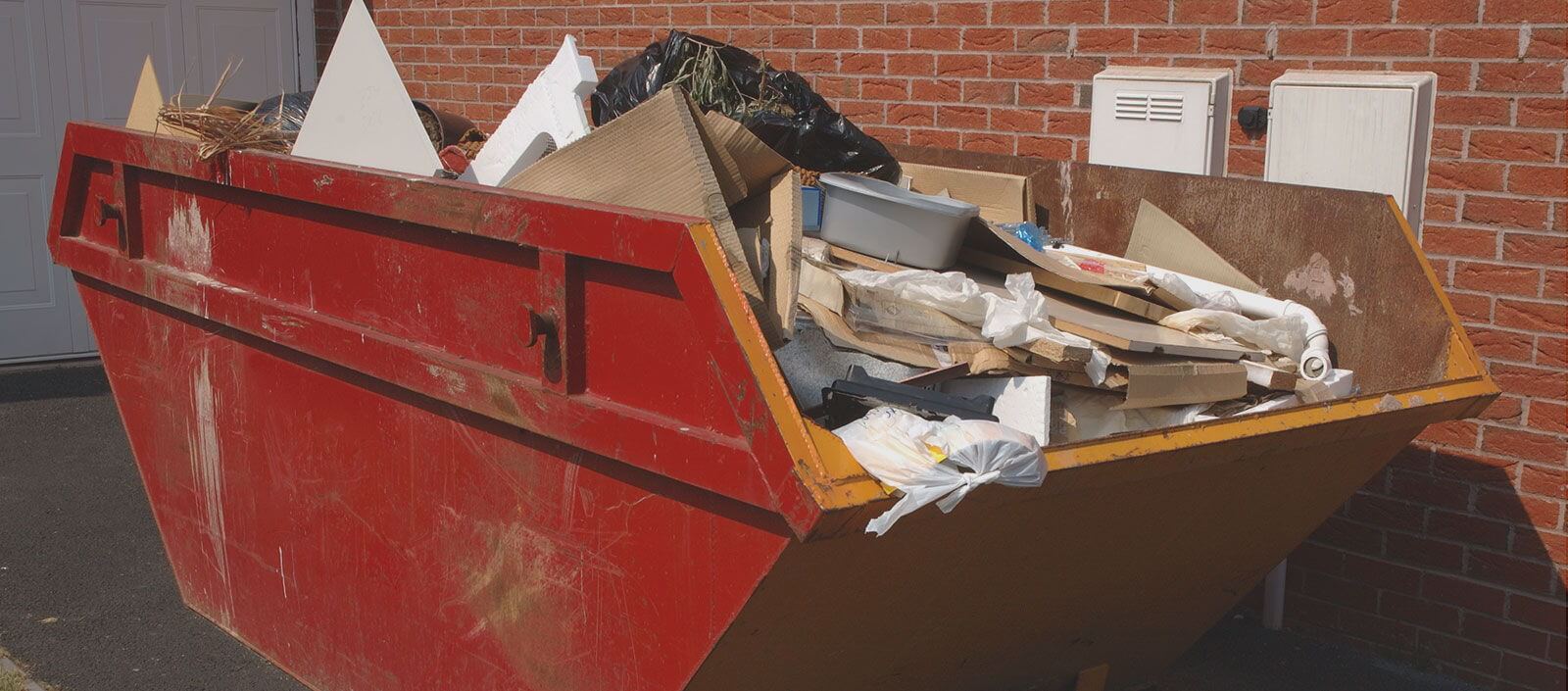
Council fines Kingston improper waste disposal and how to avoid
Posted on 17/08/2026
Council fines Kingston improper waste disposal and how to avoid: a practical guide for residents, landlords and businesses
If you live, work, or manage property in Kingston, waste probably isn't something you think about until it becomes a problem. A missed collection, a bulky item left on the pavement, a van-load of mixed rubbish dumped too quickly, and suddenly you are dealing with complaints, cleanup costs, or a council fine. The topic of Council fines Kingston improper waste disposal and how to avoid matters because most penalties are preventable with a bit of planning and a clearer understanding of what counts as lawful disposal.
This guide breaks it down in plain English. You'll learn why fines happen, how improper disposal is usually identified, what practical steps reduce your risk, and how to choose a safer, more reliable disposal route. We'll also cover a few real-world Kingston scenarios, from house clearances and garden waste to business rubbish and awkward bulky items. Nothing fancy. Just the sort of advice that helps you avoid an expensive mistake on a wet Tuesday afternoon.
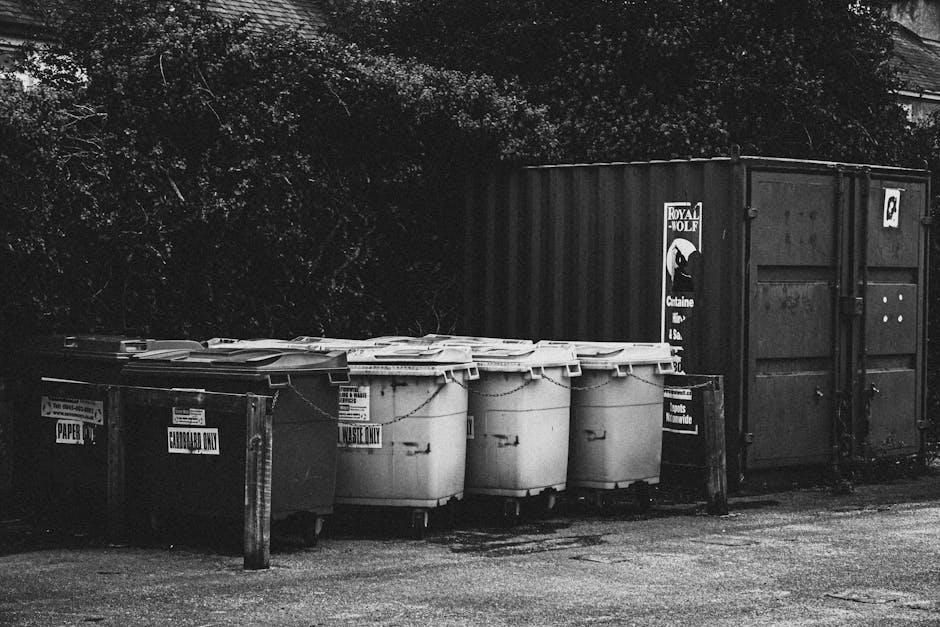
Why Council fines Kingston improper waste disposal and how to avoid Matters
Improper waste disposal is one of those issues that seems minor right up until it isn't. A bag left beside a bin, a sofa abandoned after moving day, or construction rubble tipped without the right arrangement can all create visible mess, blocked pavements, complaints from neighbours, and enforcement attention. In Kingston, as in other London boroughs, councils take this seriously because it affects street cleanliness, public safety, recycling performance, and fly-tipping control.
Let's face it: most people do not intend to dispose of waste badly. It usually happens through haste, confusion, or someone else promising to "sort it cheap." That's why understanding Council fines Kingston improper waste disposal and how to avoid is really about making the easy choice the right choice. If you know the rules of the road, you're far less likely to get caught out.
There is also a knock-on effect many people overlook. A waste issue can become a property issue. Estate agents, landlords, managing agents, shop owners, and builders all run into situations where bad waste handling slows a sale, triggers a complaint, or creates extra clean-up work. For local context, it can help to think about the broader Kingston picture too; our internal guides on the Kingston real estate market and what makes Kingston a good place to live show how small operational details can shape a property's everyday appeal.
Key takeaway: the cheapest-looking waste shortcut is often the most expensive one later. A little checking up front usually saves hassle, fines, and neighbour complaints.
How Council fines Kingston improper waste disposal and how to avoid Works
At a practical level, the council's approach usually follows a fairly simple pattern: waste is observed, traced, or reported; the disposal route is assessed; and if it appears to be unmanaged, unlawfully placed, or linked to duty-of-care failures, enforcement action may follow. The details can vary depending on what happened, where it happened, and who appears responsible.
You do not need to memorise the legal machinery to stay safe, but you do need to understand the common triggers. In everyday terms, fines or enforcement action may be more likely if waste is:
- dumped on public land, pavements, alleyways, or roadside verges
- left outside too early or in a way that blocks access
- handed to an unlicensed or unreliable collector
- mixed improperly so recyclables, food waste, and general rubbish are all bundled together without care
- stored badly and blown or leaked into public areas
- linked to a business that cannot show proper transfer records
A lot of people think the problem starts only when someone is caught in the act. Not quite. Waste can often be traced after the fact through labels, invoices, packaging, CCTV, witness reports, or the way materials were left. That is why keeping records matters so much. It is boring, yes. Also very effective.
If you're dealing with larger clearances, especially from homes, offices, or trade jobs, it helps to read up on common routes and expectations first. Pages like the services overview and waste carrier licence and compliance explain the kind of checks that sensible customers should make before booking anyone to collect waste.
Key Benefits and Practical Advantages
There are obvious benefits to avoiding council fines, of course. But the real value is broader than that. Better waste handling gives you fewer interruptions, cleaner spaces, and a more predictable routine. That matters whether you're a homeowner clearing out a loft, a landlord turning around a property, or a business trying to keep the back entrance tidy.
- Less risk of fines or complaints: the most direct benefit is avoiding preventable penalties.
- Cleaner premises: waste stored and removed correctly tends to create fewer smells, pests, and access issues.
- Better recycling outcomes: separating recyclable and reusable items usually improves what can be recovered.
- More confidence with contractors: if you ask the right questions, you are less likely to pay for a poor service.
- Stronger record-keeping: useful for landlords, shops, offices, and anyone who may need to show responsible disposal.
There is also something less obvious: peace of mind. That "have I done this properly?" feeling disappears when your process is clear. You know where the waste is going, who is taking it, and what paperwork or confirmation you have kept.
For domestic jobs, you might find it helpful to compare different disposal routes. Our domestic waste collection service and rubbish collection options are useful reference points when you want something straightforward rather than piecing things together yourself.
Who This Is For and When It Makes Sense
This guide is for anyone who wants to avoid the classic waste disposal slip-ups that lead to complaints or penalties. That includes:
- Homeowners clearing out sheds, garages, lofts, or old furniture
- Tenants moving out and trying to leave a property tidy
- Landlords and letting agents managing end-of-tenancy clearances
- Tradespeople and builders producing rubble, timber, packaging, and offcuts
- Business owners dealing with regular commercial waste
- Office managers disposing of desks, monitors, and general office clutter
It makes the most sense to pay attention before a clearance becomes urgent. Once waste is stacked in a hallway or sitting outside a building, people tend to rush. And rushing is where mistakes creep in. A short review before a move, refurbishment, or end-of-project clean-up can save a surprising amount of money and stress.
For shops, cafes, and offices in busier parts of Kingston, timing and access can matter just as much as the disposal method. Our articles on commercial rubbish collection for local shops and rubbish collection problems on Kingston High Street are particularly useful if your waste has to move through tight spaces or busy frontage.
Step-by-Step Guidance
If you want the practical version, here it is. Keep it simple and repeatable.
- Identify the waste type. Is it general household rubbish, furniture, garden waste, builders' waste, electrical items, or commercial waste? Different streams need different handling.
- Separate reusable and recyclable items. Cardboard, metals, certain plastics, wood, and clean electricals may need different treatment from mixed waste.
- Check whether the item is bulky or awkward. Sofas, mattresses, fridges, and heavy rubble often need a planned collection rather than a casual one.
- Choose a lawful disposal route. Use household collections, bulky item services, licensed carriers, or approved recycling methods as appropriate.
- Ask for clear confirmation. If a third party is collecting the waste, get written proof of what they are taking and where it is going.
- Keep your paperwork. Save receipts, booking details, transfer notes, or emails. Businesses especially should be tidy about this.
- Do a final site check. Make sure nothing has been left on the pavement, by a hedge, or beside shared bins where it could be treated as fly-tipping.
A very ordinary example: a family clears a spare room on a Saturday morning and leaves broken shelving by the communal bins, planning to sort it later. By Sunday, the wind has moved packaging into the car park, a neighbour complains, and the whole thing has become a nuisance. If they had booked a proper collection or taken the waste to the right facility, the issue would barely exist. That's the difference.
If you need quick turnaround, it is worth looking at fast-response options such as same-day rubbish removal in Kingston town centre, especially where waste cannot safely sit around for long.
Expert Tips for Better Results
Here are the habits that tend to separate a clean, compliant clearance from a risky one.
- Never assume "cheap" means compliant. If a price looks unusually low, ask what is included, who is collecting, and whether the carrier is properly licensed.
- Photograph the waste before collection. It creates a simple record if anything goes wrong later.
- Keep waste streams separate where practical. Mixed waste is often harder to recycle and easier to mishandle.
- Check access before the truck arrives. Narrow streets, parked cars, and shared entrances can turn a simple pickup into a difficult one. A little planning helps.
- Schedule disposal early in a project. Don't wait until the final day. Waste piles up fast, and people get tired. That's when mistakes happen.
- Ask about lifting, loading, and waiting time. Hidden assumptions cause most awkward moments. Not every company handles the same way.
One small but useful habit: tell everyone involved where waste should and should not be placed. It sounds obvious, but in practice a builder, a cleaner, a family member, and a courier all have different ideas of "temporary." That word causes trouble. It really does.
If cost is a concern, compare services carefully and avoid hidden extras. Our guide on avoiding hidden rubbish removal charges in Kingston is worth a look before you commit.

Common Mistakes to Avoid
Most waste fines do not happen because someone is ignorant in a dramatic sense. They happen because one small assumption snowballs. Here are the most common ones.
1. Leaving waste beside bins or on the pavement
This is one of the easiest ways to create an issue. Even if you mean well, waste left in the wrong place can be treated as abandoned. If it blocks access, looks untidy, or attracts more dumping, the risk rises fast.
2. Using an unverified collector
If a person or company offers to take your waste, ask for proper details and check they are legitimate. If they take your rubbish and dump it elsewhere, you may still end up answering questions. That's the uncomfortable bit.
3. Mixing hazardous and general waste
White goods, batteries, paint, certain chemicals, and some electrical items need special handling. Mixing them into normal rubbish can create safety and compliance problems.
4. Ignoring bulky waste rules
Big items need proper planning. A sofa left out at the wrong time or in the wrong way can easily become someone else's problem. If you need help understanding the rules, our article on Kingston council rules for bulky waste removal is a sensible starting point.
5. Forgetting business records
Businesses have a stronger duty to keep records and show that waste has been handled responsibly. If you operate a shop, office, or construction site, do not treat paperwork as optional.
Tools, Resources and Recommendations
You do not need a complicated system to stay compliant. A few simple tools and habits are enough for most people.
- A waste checklist: list item types, volumes, and special items before collection day.
- A folder for records: digital or paper, as long as it is easy to find later.
- Basic photos: useful for proving what was on site and how it was left.
- Measurements or rough counts: especially helpful for bulky items, mixed waste, or builder's rubbish.
- A trusted carrier: one that can explain how they handle collection, transport, sorting, and disposal.
For certain jobs, it helps to look at the type of service rather than just the headline price. A house clearance is not the same as a mattress pickup, and builders' rubble is a different beast again. Relevant pages such as house clearance, builders waste disposal, and office clearance can help you match the job to the right type of removal.
And if you're deciding between furniture moving and disposal, that distinction matters more than it first appears. The wrong choice can create clutter, delays, or extra handling. Sometimes the old cupboard is not the real problem; the route it has to take through the stairwell is. Kingston terraces and converted flats can be a bit unforgiving like that.
Law, Compliance, Standards, or Best Practice
In the UK, waste disposal is guided by general legal duties around proper handling, transfer, and transportation of waste. For readers, the key point is not to memorise legislation word-for-word, but to understand the standard expected of anyone producing or moving waste: it should go to a lawful destination, be handled safely, and be documented properly where records are required.
For households, the practical expectation is straightforward: place waste out only as instructed, use the right collection route, and do not dump items in public areas. For businesses, the bar is higher. You normally need to take more care over who collects the waste, what they are licensed to do, and what records you keep. Duty of care is the phrase people often hear; in plain English, it means you remain responsible for making sure your waste is handled sensibly.
Best practice in Kingston therefore looks like this:
- use licensed and traceable waste carriers
- separate waste sensibly before collection
- avoid leaving items outside unsupervised
- keep receipts and transfer records where relevant
- make sure bulky and specialist items are handled correctly
- ask questions if a quote or process feels unclear
If a provider cannot explain its compliance approach in a normal, simple way, that is usually a bad sign. Not always, but usually. Trust your instincts a little.
For broader context on responsible handling and environmental-minded disposal, our recycling and sustainability page is a helpful companion read.
Options, Methods, or Comparison Table
Different disposal methods suit different situations. The right choice depends on volume, access, urgency, and what kind of waste you have. Here's a simple comparison.
| Method | Best for | Pros | Watch-outs |
|---|---|---|---|
| Household council-style collection | Typical domestic waste and some bulky items | Simple, familiar, often cost-effective | May have booking rules and item limits |
| Licensed private waste collection | Mixed household, bulky, garden, or trade waste | Flexible timing, can handle larger clearances | Quality varies; check licensing and pricing |
| Self-haul to a disposal point | Small amounts when you have time and transport | Direct control, useful for sorting | Time-consuming, vehicle limitations, manual loading |
| Trade or commercial clearance service | Builders' waste, office clear-outs, shop waste | Efficient, can include records and scheduled pickup | Needs careful setup and clear item descriptions |
For many readers, the best solution is the one that reduces friction. If your waste is awkward, heavy, or time-sensitive, the cheapest route on paper may not be the safest in reality. If your road is narrow or access is tight, that matters too. Kingston has plenty of streets where a sloppy plan turns into a headache before anyone has even lifted a bag. Our guide on access issues for waste removal in Kingston is useful if that sounds familiar.
Case Study or Real-World Example
Here's a straightforward local-style example. A landlord in Kingston is turning over a two-bedroom flat after tenants move out. There is a broken wardrobe, a mattress, a pile of mixed bagged rubbish, and a few boxes of kitchen clutter. The first instinct is to drag everything outside and "deal with it after the weekend."
That would have been risky. The better approach was to sort the waste into categories, keep the hallway clear, book a proper collection, and document what was removed. The landlord also checked whether any items could be reused or separated from general rubbish. The result? No blocked entrance, no neighbour frustration, and no mystery about where the waste went.
Another common one is a small shop refit. Cardboard, packaging, display fixtures, and a little construction debris all appear at once. If the waste is left behind the shop or stacked by the rear access gate, it can become a complaint magnet. Instead, an arranged pickup with clear timing keeps the site tidy and reduces the chance of being seen as dumping waste. It's not glamorous, admittedly, but it works.
For a more visual sense of how organised removal changes a space, our Kingston Riverside furniture rubbish removal before-and-after article shows the practical difference a proper clearance can make.
Practical Checklist
Use this checklist before any disposal day in Kingston. Print it, save it, scribble on it, whatever works.
- Have I identified every item that needs to go?
- Do I know whether any item is bulky, electrical, hazardous, or recyclable?
- Have I separated reusable items where possible?
- Do I know where the waste will be placed before collection?
- Have I checked access, parking, and timing constraints?
- Have I confirmed the carrier or collection method is legitimate?
- Do I have a receipt, booking confirmation, or transfer record?
- Have I kept waste off pavements, shared paths, and public land?
- Have I removed anything that should not be mixed into the load?
- Have I done a final sweep so nothing is left behind?
If you can answer yes to most of those, you are already ahead of the game. Honestly, that is often enough to prevent the sort of small mistake that turns into a council issue later.
Conclusion
Understanding Council fines Kingston improper waste disposal and how to avoid is really about taking a calm, practical approach. Most problems start with rushed decisions, unclear responsibility, or leaving waste where it should not be. Once you know the common pitfalls, the fix is usually simple: plan ahead, separate items, use a proper collection route, and keep a record of what happened.
That approach protects you from fines, helps keep Kingston's streets and shared spaces cleaner, and makes life easier for everyone involved. Whether you are clearing a flat, dealing with builder's rubble, or managing business waste, the same principle holds: handle it properly the first time and you rarely have to think about it again.
If you are comparing options, checking compliance, or just want a cleaner way to deal with unwanted items, now is the right moment to take the next step.
Get a free quote today and see how much you can save.
And if you are still unsure, that's fine too. Waste is one of those ordinary jobs that becomes much easier once the process is clear. A little care now saves a lot of bother later.