Do you need a permit for rubbish removal Kingston council rules
Posted on 30/07/2026

Do you need a permit for rubbish removal Kingston council rules: what Kingston residents should know
If you're clearing rubbish in Kingston, the permit question can catch you off guard. Do you need a permit for rubbish removal Kingston council rules, or can you simply book a collection and crack on? The answer depends on what kind of waste you have, where it's being set down, and whether a vehicle, skip, or licensed waste carrier is involved. In plain English: some jobs need no permit at all, some do, and a few sit in a grey area that people only notice when something gets delayed. This guide breaks it down clearly so you can avoid fines, blocked collections, and that awkward moment when waste is left sitting on the pavement longer than planned.
We'll cover the practical meaning of Kingston council rules, how permits work in real life, which situations tend to trigger them, and how to choose the simplest compliant route. If you want the short version now: most household rubbish removal jobs do not require you to get a special permit yourself, but certain roadside, skip, and access situations can involve permissions or council controls. That's the bit people miss.
Why Do you need a permit for rubbish removal Kingston council rules Matters
Permit confusion causes more delays than most people expect. A lot of rubbish removal jobs look straightforward from the kitchen table, then suddenly become awkward once the bags, furniture, or builder's waste are outside and the pavement is narrow, busy, or shared by neighbours. In Kingston, that matters because local streets can be tight, parking is limited, and access can be a real issue. A collection vehicle may need enough space to stop safely, load quickly, and avoid blocking traffic or footfall.
Let's face it, nobody wants to be the person with a sofa on the kerb for two days because the arrangement wasn't quite right. That's why understanding council rules early is useful. It helps you work out whether you need a permit, whether the contractor handles permissions, or whether you should choose a different disposal method. It also reduces the chance of extra charges appearing later, which is never fun, especially if you were already trying to keep costs sensible.
There's another layer too: compliance. Waste has to be moved, carried, and disposed of properly. If someone removes your rubbish without the right licensing or without understanding local access rules, you may end up with a mess of responsibility you did not expect. In other words, the permit question is not just admin. It's part of doing the job properly.
How Do you need a permit for rubbish removal Kingston council rules Works
The important thing to understand is that "permit" can mean different things depending on the situation. People often use the word loosely, but in practice there are a few separate issues at play.
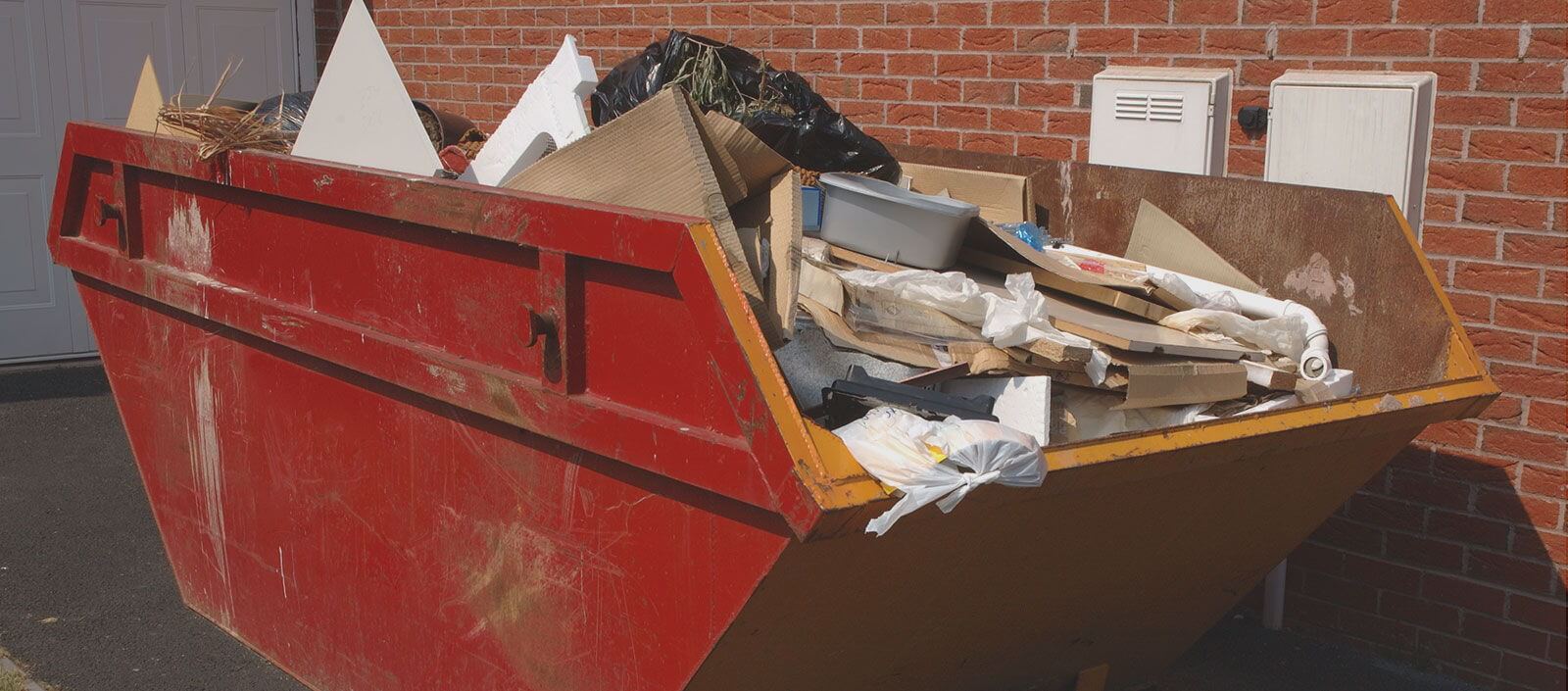
- Skip permits: needed when a skip is placed on a public road or other controlled area rather than entirely on private land.
- Parking or bay arrangements: sometimes required if a collection vehicle needs to stop where parking restrictions apply.
- Highway or access controls: relevant where loading would obstruct traffic, pedestrians, or neighbours.
- Waste carrier compliance: not a permit in the everyday sense, but essential for anyone taking rubbish away for a living.
For normal domestic rubbish removal, the customer usually does not apply for a waste carrier licence. That sits with the company collecting the waste. What you may need, however, is an arrangement that allows safe loading. If the property has a driveway, private forecourt, or enough off-road space, things are usually simpler. If waste must be placed on a public road, especially for a skip or a prolonged load, permission or a permit may be needed.
Here's the simple test: if your rubbish can be taken directly from private property without blocking public land, the process is usually easier. If you need to use the road, footway, parking bay, or shared access area, the permit question becomes much more relevant.
For readers comparing options, our services overview gives a helpful picture of the different removal types available, from one-off clearances to larger collections.
Key Benefits and Practical Advantages
Getting permit and council-rule questions sorted before the lorry arrives has real, practical benefits. It keeps the job moving, lowers the chance of disputes, and makes the whole experience feel a lot less chaotic. That may sound obvious, but anyone who has watched a collection team trying to manoeuvre a mattress through a narrow street at 8:15 on a weekday knows how quickly small details matter.
- Fewer delays because the collection plan matches the site conditions.
- Lower risk of penalty or refusal if the road, bay, or pavement is regulated.
- Better cost control because you are less likely to pay for a second visit.
- Safer handling when vehicles and staff can load without improvising.
- Less neighbour friction since waste is cleared promptly and neatly.
There's also a less visible benefit: confidence. Once you know the rule set, you can make decisions faster. You can compare skip hire, man-and-van removal, council collections, or full property clearances without second-guessing every step. That alone can save a lot of mental clutter, which, to be fair, is sometimes the biggest mess of all.
Who This Is For and When It Makes Sense
This topic matters to a few different people in Kingston, and each one tends to hit the permit issue in a slightly different way.
Homeowners and tenants often need to move bulky items, loft clutter, or post-renovation waste. If the property has a front garden or driveway, the job is usually simple. If everything has to pass through a narrow street or shared parking area, you may need more planning.
Landlords and letting agents are often clearing properties between tenancies. The waste can be mixed: furniture, white goods, broken items, bags of general rubbish. That mix can make timing and access more important than the waste itself.
Builders and tradespeople face a different problem. Builders' waste is heavier, messier, and more likely to need a skip or a larger vehicle. For that reason, permit and loading issues show up more often on refurbishment jobs. If that sounds familiar, the page on builders waste disposal in Kingston upon Thames is worth a look.
Businesses also need to think carefully. Office clear-outs, shop refurbishments, and commercial rubbish removals are often scheduled around trading hours, loading bays, or shared access. For a broader business context, commercial rubbish collection for shops in Kingston is a useful read.
If your waste is bulky, awkward, or in a location with restricted parking, that's usually the point where you should pause and check the rules rather than assuming it will all sort itself out. It rarely does. Not neatly, anyway.
Step-by-Step Guidance
If you want the safest way to approach rubbish removal in Kingston, follow this sequence. It is practical, not fancy, and it works.
- Identify the waste type. Separate household rubbish, bulky items, white goods, garden waste, builders' waste, and anything hazardous. The category matters because it affects the method.
- Check where the waste will sit before collection. Private driveway? Front garden? Public road? Pavement? A shared forecourt? That location is often the deciding factor.
- Ask whether a permit is needed. If a skip, bay suspension, or road-side loading is involved, confirm the rule before you book.
- Confirm who is handling compliance. A reputable waste carrier should know whether the arrangement needs permission and should explain what they can handle on your behalf.
- Plan access. Measure gate widths, note low walls, look out for overhanging trees, and think about where a truck can stop safely. Kingston's narrower streets can make this surprisingly important.
- Book the right service. A small domestic collection is not the same as a house clearance or office clearance. Choose the one that fits the amount and type of waste.
- Keep proof and paperwork. If waste is removed professionally, make sure you receive the right documentation and keep it for your records.
If you are clearing a flat or period property with awkward access, this is where local experience helps. A crew that knows Kingston's street patterns and parking pressure will usually spot problems before they become expensive. That kind of judgement is worth more than glossy promises.
Expert Tips for Better Results
These are the little things that tend to make a big difference.
Measure before you book. A lot of people guess the size of a pile or assume a fridge will "just fit". Then the collection day arrives and the item is bigger, heavier, or harder to move than expected. Ten minutes with a tape measure can save a headache.
Use photos. Good photos of the waste pile, loading point, and access route help the removal team estimate correctly. If the street is tight or there are steps, show that too. It sounds basic, but it cuts out so much back-and-forth.
Separate awkward items early. White goods, mattresses, mirrors, and mixed builders' waste often need different handling. Mixing everything into one heap makes the job slower and, sometimes, pricier.
Choose timing carefully. Mid-morning collections are often easier than peak commuter times. In Kingston town centre, traffic and parking pressure can make a simple job feel twice as difficult.
Ask direct questions. Don't be shy. Ask who handles permits if they are needed, whether any parking or access issues are included in the quote, and what happens if the vehicle cannot stop where planned.
A slightly awkward truth: the cheapest quote is not always the cleanest outcome. If a company leaves the difficult parts for you to discover on the day, that low price can vanish pretty fast.
![An aerial view of a construction site in an urban area showing a partially built multi-storey building with exposed concrete floors and orange safety barriers surrounding its perimeter. Two large cranes, painted red, tower above the site, actively engaged in lifting and positioning materials. The construction site is situated amidst a dense cluster of office buildings and commercial structures with flat roofs, some of which have rooftop equipment, while smaller residential buildings with pitched roofs are visible on the surrounding streets below. In the background, a river winds through the cityscape, with bridges crossing it and a distant horizon under a cloudy sky. The scene includes construction materials and machinery on the building's upper levels, and the site is bordered by paved roads with parked vehicles. The overall environment suggests ongoing urban development, possibly related to private or alternative waste management solutions, with [COMPANY_NAME] involved in the site’s activities related to rubbish or construction waste handling. The muted lighting and overcast weather evoke a neutral, professional tone fitting for a waste removal or site management context.](/pub/blogphoto/do-you-need-a-permit-for-rubbish-removal-kingston-council-rules2.jpg)
Common Mistakes to Avoid
Most permit problems come from a handful of repeat mistakes. The good news is they're easy to avoid once you know what to look for.
- Assuming all rubbish removal needs no permission. Not true, especially when public road space is involved.
- Booking before checking access. Narrow roads, permits, and parking restrictions can derail an otherwise simple collection.
- Leaving waste on the pavement too early. That can cause complaints, block walkways, and invite enforcement attention.
- Not asking about licensing. A legitimate waste carrier should be able to explain how they operate and what compliance means in practice.
- Confusing bulky waste with general rubbish. The route, cost, and rules may differ.
- Ignoring special items. White goods, tyres, paint, and other regulated items should not be treated like ordinary bagged waste.
One common slip is the "someone else will sort it" mindset. It happens all the time. A tenant books a clearance, a landlord expects the agent to handle it, the agent assumes the contractor will do the paperwork, and suddenly everyone is staring at one another on collection day. Not ideal.
Tools, Resources and Recommendations
You do not need a complicated toolkit for this. What you do need is a sensible set of checks.
- Basic measuring tape for doors, hallways, lifts, and access points.
- Phone camera for waste photos and route photos.
- Property plan or rough sketch if access is awkward.
- List of item types so nothing is forgotten when the quote is prepared.
- Any parking restrictions noted down so the collection team knows what they are dealing with.
If you want to understand the wider service landscape before you book, rubbish collection in Kingston upon Thames and waste removal in Kingston upon Thames are good starting points. They help you compare a smaller collection with a more comprehensive removal job.
For price planning, the page on pricing and quotes is useful, especially if you are trying to understand what affects the final cost. And if secure payment matters to you, which it should, the site's payment and security information is worth a quick read.
If your main concern is compliance and peace of mind, the company's waste carrier licence and compliance page is the most relevant supporting page in the site set. That kind of detail matters more than people think.
Law, Compliance, Standards, or Best Practice
In the UK, waste handling is not just a practical issue. It is regulated. The key idea is simple: waste should be collected, transported, and disposed of responsibly, by someone who is properly authorised to do so. That means you should never rely on vague assurances or a cash-in-hand "mate with a van" approach unless you are sure they are licensed and operating lawfully.
Best practice usually includes:
- using a legitimate waste carrier for removal;
- keeping records or receipts where appropriate;
- separating hazardous or specialist waste;
- avoiding obstruction of highways, footpaths, and shared access routes;
- checking whether public land use needs permission or a permit.
For skips and similar placements, the permit question often becomes much more direct. If the container sits on public land, local permissions may apply. If the waste is loaded from private property with no public obstruction, things are generally simpler. That is why each case needs a little judgement rather than one fixed answer.
Also, councils can be very particular about items left out at the wrong time or in the wrong place. Even when the intention is harmless, the appearance can be messy, untidy, or obstructive. That is where problems begin. The safest approach is always to check before you set anything down in a public area.
Options, Methods, or Comparison Table
People in Kingston usually choose between a few broad approaches. The best one depends on waste type, access, urgency, and whether a permit issue is likely.
| Method | Best for | Permit risk | Main advantage | Main drawback |
|---|---|---|---|---|
| Private-property collection | Homes with driveways or easy access | Low | Simple and fast | Not ideal for large volumes |
| Skip hire | Renovations, bulky mixed waste, ongoing clear-outs | Medium to high if placed on public land | Good capacity | May need permission and space |
| Man-and-van rubbish removal | Mixed household or bulky items | Usually low to medium | Flexible and convenient | May be limited by access and volume |
| Council bulky waste collection | Single items or small bulky loads | Usually low, but rules vary | Clear process | Less flexible timing |
There is no single "best" option for everyone. A homeowner clearing a few items from a terraced house will have different needs from a shop refurbishing near the high street. The trick is matching the method to the site, not forcing the site to fit the method. That's where so many people get tripped up.
Case Study or Real-World Example
A typical Kingston scenario goes like this. A couple in a first-floor flat wants to remove an old sofa, a broken wardrobe, and a few black bags after a bedroom refresh. The street is narrow, parking is tight, and there is no driveway. They first assume a quick collection will be easy. Then they realise the van cannot stop legally outside for long, and the sofa needs a longer carry than expected.
They have two sensible choices. One is to book a service that can handle the access issue and plan the collection carefully. The other is to leave the items in place until a road-side arrangement or loading method is confirmed. In this kind of case, the main issue is not the sofa itself. It is the location.
Now compare that with a house in a quieter part of Kingston with a private front drive. The same sofa and wardrobe can often be removed directly without any public obstruction, and the permit question becomes far less important. Same waste, very different setup.
That contrast is the heart of the matter. People often think the waste type is the only factor, but access and placement usually decide whether a permit is relevant. You notice it most on older streets and busier roads, where every metre counts.
Practical Checklist
Use this quick checklist before you book or place anything outside.
- Have you identified exactly what needs removing?
- Do you know whether the waste will be placed on private land or public land?
- Is there enough space for a vehicle to stop safely?
- Could parking or road rules affect the collection?
- Have you asked whether a permit or permission is needed?
- Do you know who is responsible for arranging it?
- Have you taken photos of the waste and access route?
- Have you separated bulky, hazardous, or specialist items?
- Do you have a clear quote and know what it includes?
- Have you checked the waste carrier's compliance and paperwork?
If you can tick most of those off, you are in good shape. If several are still unclear, slow down a little. That pause is usually cheaper than fixing an avoidable mistake later.
Conclusion
So, do you need a permit for rubbish removal Kingston council rules? Sometimes yes, sometimes no, and often it depends less on the rubbish than on where it sits and how it leaves the property. If everything can be taken from private land without blocking public space, the process is usually straightforward. If you need a skip on the road, a vehicle in a restricted bay, or loading in a controlled area, permission or a permit can become part of the job.
The safest way forward is simple: check access, identify the waste, and confirm who is handling compliance before collection day. That one habit saves a lot of hassle. It also makes the whole process feel calmer, which matters more than people admit.
If you are still comparing options for a clear-out, a good starting point is to look at the type of service you actually need, then build from there. For bulky items, mixed household waste, or a tight schedule, a local professional who understands Kingston's streets and council rules can make everything feel much easier.
Get a free quote today and see how much you can save.
And if you're standing in the hallway looking at a pile of stuff wondering where to begin, start with the first box or the first chair. Once that move is made, the rest usually follows.