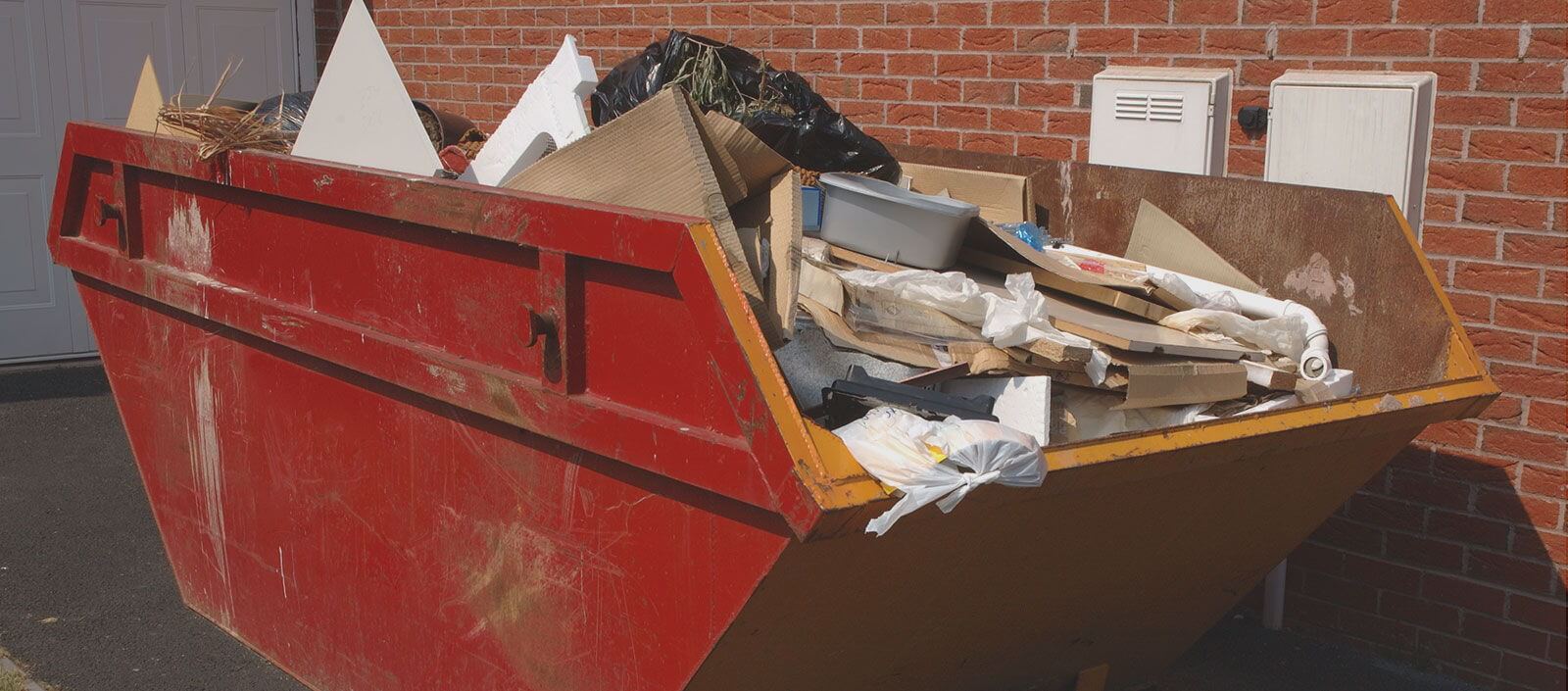
Kingston council rules for bulky waste removal explained
Posted on 07/07/2026
If you are trying to get rid of an old sofa, mattress, broken wardrobe, or a few awkward bits of furniture, the rules can feel strangely fuzzy at first. One minute you are looking at a pile in the hallway, the next you are wondering whether it counts as bulky waste, whether the council will take it, and whether you are about to do something a bit wrong. This guide to Kingston council rules for bulky waste removal explained cuts through that confusion in plain English, so you can make a sensible choice without the usual hassle.
We will walk through how bulky waste removal typically works in Kingston, what the council-style rules usually mean in practice, when a private clearance service makes more sense, and the little mistakes that cause delays or extra cost. There is a fair bit to cover, but it is the sort of detail that saves time later. And honestly, if you have ever tried to drag a sofa down a narrow stairwell at 8am on a wet Tuesday, you already know why this matters.
Contents
- Why the rules matter
- How bulky waste removal works
- Key benefits and practical advantages
- Who this is for and when it makes sense
- Step-by-step guidance
- Expert tips for better results
- Common mistakes to avoid
- Tools, resources and recommendations
- Law, compliance, standards and best practice
- Options and comparison table
- Case study or real-world example
- Practical checklist
- Conclusion
- Frequently asked questions
Why Kingston council rules for bulky waste removal explained Matters
Bulky waste rules matter because they decide what can be collected, how it should be presented, and whether your items will be accepted at all. A lot of people assume bulky waste is simply "big rubbish", but that is only part of the picture. Councils and licensed waste carriers usually care about size, weight, material type, access, safety, and whether the item contains anything hazardous or reusable.
In practical terms, getting the rules wrong can mean missed collections, wasted money, and clutter hanging around longer than you planned. That can become a real issue during a move, end-of-tenancy clean-up, probate clearance, or a renovation where the house is already half upside down. It is also not unusual for bulky items to block hallways, front gardens, or shared access points, which can create tension with neighbours. Nobody wants to be the person leaving a mattress under the hedge. Let's face it, that never looks good.
For Kingston residents, local access conditions add another layer. Some streets are tight, parking can be awkward, and collection timing matters more than people think. If you want a better sense of the wider local context before arranging disposal, the article on common rubbish collection issues on Kingston High Street is worth a look, especially if your property sits in a busier part of town.
How Kingston council rules for bulky waste removal explained Works
In simple terms, bulky waste removal usually works in one of two ways. You either use the council's bulky item collection process, or you arrange a private waste removal service that can take the items directly from your property. The right choice depends on the item type, how quickly you need it gone, and whether access is easy or awkward.
Council collections are usually designed for household items such as sofas, chairs, tables, wardrobes, mattresses, and similar large objects. Some councils set item limits, while others may reject certain materials or charge by item. The exact rules can change, so it is always sensible to check the current local guidance before you book. In everyday terms, that means reading the details carefully rather than assuming every big item is treated the same. A sofa is not the same as a fridge, and a fridge is not the same as a bathroom suite. Obvious, yes, but people trip over it all the time.
Private clearance services work differently. They are usually more flexible, can handle mixed loads, and may be better for same-day or next-day removal. This is often useful for households doing a full clear-out, landlords between tenancies, or businesses dealing with furniture that cannot just sit around for a week. If you are trying to decide whether a faster collection makes sense, the guide to same-day rubbish removal in Kingston town centre gives a helpful sense of how urgent jobs are often handled.
One thing people miss: bulky waste often needs to be prepared properly. That can mean separating items, removing drawers or loose parts, and making sure the collection point is safe and reachable. In a ground-floor flat, that is fairly easy. Up three flights of stairs with no lift? Different story entirely.
Key Benefits and Practical Advantages
Following the rules is not just about avoiding a nuisance. Done well, it can make the whole process faster, tidier, and cheaper than doing it in a rushed or improvised way.
- Less risk of refusal: When items are sorted and presented properly, collections are less likely to be turned away.
- Better cost control: Knowing what counts as bulky waste helps you avoid paying for a service you do not actually need.
- Safer lifting and handling: Large items can injure you if moved badly. A careful plan helps reduce that risk.
- Cleaner property handover: This matters for tenants, landlords, sellers, and anyone preparing for guests or contractors.
- Improved recycling outcomes: Reusable furniture and appliances often need a different route from general rubbish.
There is also the mental relief factor. Anyone who has had a spare room full of old furniture for months knows the odd sense of weight it creates. Once it is gone, the place feels bigger, lighter, and less chaotic. A bit like opening a window after a long winter, to be fair.
From a local property perspective, this can matter more than people expect. If you are preparing a home for sale or rental, keeping bulky items under control can help the property present properly. That is especially useful if you have been reading up on the Kingston real estate market or planning a move based on wise property investment in Kingston.
Who This Is For and When It Makes Sense
This kind of guidance is useful for more people than you might think. It is not just for households with a single broken armchair sitting in the hall.
- Homeowners clearing out old furniture, mattresses, white goods, or garden items.
- Tenants who need to leave a property tidy before check-out.
- Landlords and letting agents managing end-of-tenancy clearances.
- Businesses replacing office furniture or clearing storage areas.
- Families dealing with probate, downsizing, or renovation waste.
- People with access challenges such as no driveway, tight stairs, or shared entrances.
It also makes sense when the item is too awkward for standard weekly collection, too heavy for DIY disposal, or too bulky to fit safely in a car. A battered wardrobe, a two-seater sofa, and a couple of broken shelves can quickly become a logistical headache. If the job is straightforward and you only have one or two approved items, council collection may be enough. If the pile has grown arms and legs, a private waste team may be the calmer option.
For anyone in a property transition, the timing can be decisive. A flat that needs to be photographed tomorrow morning is a very different job from a house where you have a full weekend to sort through the mess. If that sounds familiar, you may also find the local article on furniture rubbish removal before and after in Kingston Riverside reassuring, because it shows how much a space can change when the bulky stuff is finally cleared.
Step-by-Step Guidance
Here is the simplest way to approach bulky waste in Kingston without overthinking it.
- List every item you want removed. Be specific. "Old furniture" is too vague. Write down sofa, coffee table, chest of drawers, mattress, and so on.
- Separate bulky waste from normal household rubbish. Small black sacks, food waste, and general recycling usually follow different rules.
- Check whether any items are restricted. Some things need special handling, especially electricals or anything with hazardous parts.
- Measure access points. Hallways, stairwells, lifts, gates, parking distance, and kerb access can all affect how the collection is done.
- Decide whether council or private removal is better. Council options may suit a small, simple job. Private services can be easier for mixed loads or urgent clearances.
- Get the items ready. Remove loose contents, flatten what you can, and make sure the collection point is clear.
- Confirm the pickup details. Time slot, access instructions, and item list should all be clear before the day arrives.
- Keep proof of disposal if needed. This is especially useful for landlords, businesses, or anyone who wants a record for compliance.
A small but important clarification: do not assume "bulky" means "anything too annoying to carry." A collection service will usually define it more precisely. If in doubt, ask before booking. A five-minute question can save a very long day.
Expert Tips for Better Results
Here is where a bit of experience helps. The smoother bulky waste removals tend to have one thing in common: the prep work was handled properly.
Tip 1: Put the awkward item closest to the exit first. If you are clearing several objects, move the biggest one into the easiest position before the team arrives. It sounds simple, but it makes a noticeable difference, especially in older Kingston properties with narrow stairs or tight landings.
Tip 2: Take photos before booking. Not glamorous, but useful. A few clear images help with quotes, access checks, and avoiding misunderstandings about size or condition. If you want to avoid price surprises, the article on avoiding hidden rubbish removal charges in Kingston is a smart companion read.
Tip 3: Keep electricals separate. White goods and appliances can have different handling requirements from furniture. Fridges, freezers, washing machines, and ovens often need special treatment because of their weight or components. That is why some people use a dedicated appliance service rather than bundling everything together.
Tip 4: Think about parking before collection day. In Kingston, access can be the difference between a quick tidy pickup and a slow, awkward one. If your road is narrow or heavily parked, clear instructions matter. There is a useful local guide on waste removal access issues on Kingston's narrow streets that highlights the kind of details people forget until the van is already outside.
Tip 5: Use the right disposal route for the item. A sofa, an old fridge, garden clippings, and builders' debris are not interchangeable. They may all be "waste" in everyday speech, but operationally they are very different beasts.
One more thing: if the job smells, is dusty, or looks like it has been sitting untouched since last winter, wear gloves and take a moment before lifting. No hero points for back strain.

Common Mistakes to Avoid
Most problems come from rushing. That is it, really. Rushing, guessing, and hoping it will work out.
- Putting items out too early: If you leave bulky waste on the street or pavement before the scheduled time, it can attract complaints or be treated as fly-tipping in the wrong circumstances.
- Mixing prohibited items with acceptable ones: One wrong item can delay the whole collection.
- Forgetting access details: Narrow gates, coded entry, parking restrictions, and basement steps should never be left until the last minute.
- Assuming everything can go together: Furniture, appliances, garden waste, and builder's rubble may need different handling.
- Choosing on price alone: Cheap can be fine, but only if the service is actually suitable for the job.
- Not checking what happens after removal: Recycling, reuse, and responsible disposal matter, especially if you want to keep the job compliant.
Another easy-to-miss mistake is underestimating volume. A few items in a bedroom can look harmless, then all of a sudden they are filling half a hallway. Happens all the time.
Tools, Resources and Recommendations
You do not need complicated equipment to manage bulky waste well, but a few simple tools help a lot.
- Tape measure: Useful for doors, stair turns, and large furniture dimensions.
- Phone camera: Good for photos if you need a quote or want a record of the items.
- Marker labels: Handy if you are sorting items for reuse, recycling, or disposal.
- Work gloves: Essential for handling rough edges, dirty furniture, or dusty loft items.
- Clear packing tape or straps: Useful for securing loose drawers, shelves, or appliance parts.
For a broader view of the disposal journey, the site's services overview is a sensible starting point, especially if you are comparing options across furniture, domestic clearances, and larger waste jobs. If sustainability matters to you, the page on recycling and sustainability is also relevant because bulky waste often includes reusable or recyclable materials that should not simply be treated as mixed rubbish.
If you are booking a service, it is also worth understanding how pricing works before you commit. A clear explanation is available in the pricing and quotes information, which can help you compare like for like instead of guessing from a rough headline figure. Small detail, big difference.
Law, Compliance, Standards and Best Practice
When people ask about bulky waste rules, they usually mean the practical side. But there is a compliance side too, and that is where caution matters. Waste should be handled by responsible operators, and households or businesses should avoid handing items to anyone who cannot properly account for where the waste goes.
In UK practice, good waste handling usually means using a licensed carrier, keeping clear records where necessary, and making sure waste is transferred to an appropriate facility. You do not need to become an expert in regulations, but you should expect any legitimate operator to know what they are doing and to follow recognised standards for transport, safety, and environmental handling.
For businesses, the bar is higher. Duty of care expectations mean you should be able to show that waste was passed to a proper carrier. For landlords and managing agents, records matter even when the job feels routine. If a clearance sits somewhere between domestic and commercial, it is usually best to treat it carefully rather than casually.
A trustworthy operator should also be clear about insurance and safety. That includes sensible lifting practices, protecting floors and walls, and managing risks when heavy items are moved through shared spaces. If you want to see how a provider frames that side of the work, the insurance and safety information is worth reading. It is the unglamorous part, perhaps, but it is the part that protects everybody.
There are also broader business ethics considerations. If you are using a company for disposal, you want confidence that it operates responsibly, not just conveniently. A quick read of the waste carrier licence and compliance page can help you understand what to look for in a serious operator.
Options and Comparison Table
There is no single "best" method for bulky waste removal. It depends on how much you have, how quickly you need it gone, and how much lifting you want to avoid. Here is a simple comparison.
| Option | Best for | Pros | Limitations |
|---|---|---|---|
| Council bulky waste collection | Small number of household bulky items | Simple for basic jobs, often familiar to residents | May have item restrictions, slower timing, less flexible access handling |
| Private bulky waste removal | Mixed loads, urgent jobs, awkward access | Flexible, often faster, can handle more variety | Can cost more depending on volume and access |
| Full clearance service | House clearances, probate, tenancy ends, big declutters | Hands-off, efficient, usually clears multiple item types together | May be more than you need for a couple of items |
If your job involves an entire room, storage area, or a property that has a lot of mixed items, you may be closer to a clearance than a simple bulky waste pickup. That is where services such as house clearance in Kingston upon Thames or loft clearance can make more sense than a one-off collection. Same with office furniture, where office clearance may be the cleaner fit.
Case Study or Real-World Example
A fairly typical Kingston scenario goes like this. A couple is moving out of a first-floor flat near the town centre. They have a sofa bed, a broken chest of drawers, two mattresses, and an old table that has seen better days. At first, they assume council collection will be the easiest route. Then they realise the items need to be separated, access is awkward, and the move-out date is close.
Instead of juggling multiple trips, they photograph the items, measure the staircase, and decide the job is better suited to a private removal team. The items are collected in one visit, the hallway is cleared, and the new owners can take over without a pile of debris sitting in the way. Not dramatic, just sensible. And sometimes sensible is a huge win.
That kind of job often overlaps with furniture removal rather than standard rubbish pickup. If you are dealing with similar items, you may want to look at furniture removal in Kingston upon Thames or furniture disposal depending on whether the priority is reuse, disposal, or a mix of both. And if the item is a washing machine or fridge rather than a sofa, white goods and appliance disposal may be the more suitable route.
The important bit is not that one method is always better. It is that the right method depends on the shape of the job. That is the real lesson, really.
Practical Checklist
Use this before you book or put anything out for collection.
- Have I listed every item clearly?
- Do any items need special handling?
- Have I checked access, parking, and stairs?
- Do I know whether council collection or private removal is the better fit?
- Are the items cleanly separated from regular rubbish?
- Have I moved loose parts, drawers, or contents out in advance?
- Do I need proof of disposal or a record for a landlord or business file?
- Have I checked the timing so the items are not left out too early?
- Do I understand the likely cost structure?
- Is there anything that could be reused, donated, or recycled first?
If you can tick most of those off, you are in good shape. If not, pause and sort the weak spots first. It is much easier than cleaning up a preventable mess later.
Conclusion
Kingston council rules for bulky waste removal explained in plain language really come down to a few basics: know what you have, understand the item rules, check access, and choose the right removal route for the job. That simple approach prevents most of the frustration people run into.
For a small, straightforward household item or two, a council collection may be enough. For mixed items, awkward access, or a tight deadline, a private bulky waste or clearance service is often the calmer choice. Either way, the job goes much more smoothly when you prepare properly and avoid guessing.
And if you are in the middle of a move, renovation, or long-overdue clear-out, take heart. Once the bulky stuff is gone, the room always feels different. Brighter somehow. A bit more yours again.
Get a free quote today and see how much you can save.